How to Automate Google Sheets

You automate Google Sheets in three layers. Formulas and functions handle anything that stays inside the sheet. Apps Script and scheduled triggers handle repeatable jobs on a timer. Getting the numbers in from tools that have no export is the layer most people still do by hand, and the one worth handing to an agent like WebRun.

Google Sheets quietly became the company database

Google Sheets, which plenty of people still call a Google Spreadsheet, is the free spreadsheet in Google Workspace. In most small companies it quietly became the place where the business is actually run. It holds the customer list, the job schedule, the stock count, the commission working and the numbers someone reads out on Monday morning.

It earned that job by being easy to get into. It opens in a browser, several people can type in it at once, and nobody has to ask an administrator for a licence. The bookkeeper, the office manager and the owner can all be in the same tab at the same time, which is more than can be said for most of the software those three were given.

So the spreadsheet sits downstream of every other tool you own. The booking system, the card terminal, the accounting package and the inbox all feed one sheet, because it is the only place all of it can sit side by side.

Every number in it arrives by hand

Almost none of the time spent on a spreadsheet is spent thinking. It goes on moving numbers into it.

Someone opens the booking system every morning, reads yesterday's total off a dashboard, and types it into a cell. Someone exports a report from the CRM, opens the CSV, deletes three columns and pastes the rest into a tab. Someone checks four supplier portals for prices that changed and updates a column by hand. Someone copies the same figures into a second, tidier sheet for a manager who will never open the first one.

Each takes a few minutes, which is exactly why nobody ever fixes them. They become visible only when the person who does them is on holiday and the sheet goes stale for a fortnight, or when a number gets typed wrong and a decision gets made on it.

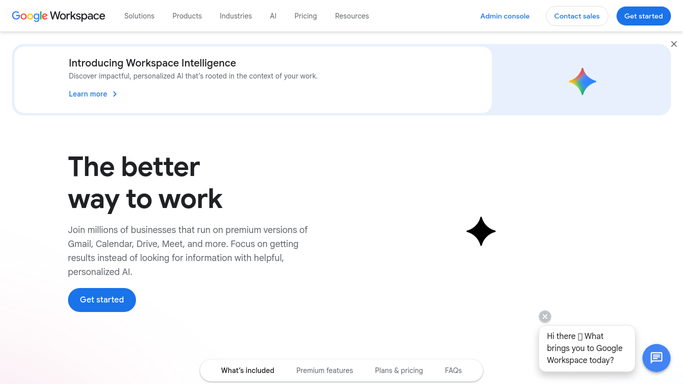
The google.com homepage, the app these three jobs run in. Google Sheets
Filling the sheet Yesterday's orders, bookings, balances and ad spend, collected from wherever they live and written into the right row before you open the tab.
Working through the sheet Taking each row and doing something with it somewhere else: a reminder sent, a price checked, a status looked up and written back.
Getting the sheet read Turning the tab nobody opens into a short summary that lands in the place your team already looks every morning.

Formulas only reach what is already open to them

The sheet does more on its own than most people use, and it is worth knowing how far that reaches before paying for anything. One sheet can read a range out of another and stay in step with it. A long tab can be filtered down to a short one that updates itself. A table on a public web page can be pulled in and refreshed. Apps Script will run a job on a timer, so a nightly tidy-up or an emailed snapshot really can be set and forgotten.

Every one of those has the same ceiling. They can only reach what is already open to them: another spreadsheet, a public page, a tool with an API and someone on hand to write against it.

The numbers you actually want are almost never in those places. They are behind a login, on a screen, in a supplier portal or a bank or a booking system or a twenty-year-old piece of trade software, sitting there in plain sight with no export button anywhere near it. That is the wall, and it is the reason someone in your office is still retyping figures at nine in the morning.

A spreadsheet that goes and fetches for itself

Change that, and the question stops being what can I import and becomes what do I want to know.

You buy from six suppliers, and every one shows live prices and stock behind its own login. That can be a column instead: this morning's price against what you paid last time, so the line that moved is obvious before you order.

You ship. Tracking numbers go out and somebody spends an afternoon pasting them into courier sites one at a time. Those statuses can be sitting in the sheet by the time you open it, with anything that stopped moving pushed to the top.

The same trick works on anything you can see in a browser. What your competitors are charging today. Which of your listings slipped off the first page. The takings from a system that only ever shows them on a dashboard. Whether the permit you are waiting on has changed status yet. None of it needs an API, a developer, or an integration somebody else has to build first.

One rule holds across all of it: automate the collecting, keep the deciding. A sheet that fills itself overnight is a gift. A sheet that emails your customers on its own is a risk, and should never send without a person saying yes.

An agent does the retyping

Between the portal where the number lives and the cell it belongs in sits a person. Only the deciding needs one.

WebRun is an AI agent that works a real Chrome browser, signed in as you. It opens the supplier portal, reads the price off the screen, and writes it into the right row of your spreadsheet. Because it uses the browser rather than an API, it reaches anything you can reach: no key to generate, no add-on, no integration that has to exist first.

It runs on your schedule in your own private environment. You can watch a run and stop it mid-way, and anything irreversible drafts and waits for you.

The workflows below are already built. Each one names the apps it touches and the steps it takes, so you can read what it does before you switch it on.

Questions people ask

Do I need to turn on the Google Sheets API or share my spreadsheet?

No. WebRun opens Google Sheets in a real browser signed in as you, so it works with the access you already have. There is no API key, no add-on and no change to the sharing settings on the file.

Will it overwrite the data already in my sheet?

Only where you point it. Most workflows append a new row or write into one named column, and each template spells out which cells it touches before you turn it on. Writing to a raw tab that your working tabs read from keeps typed work safe either way.

Can it pull numbers out of a tool that has no export button?

Yes, and that is usually the reason to use it. WebRun reads the figure off the screen the way a person would, then writes it into your spreadsheet, so a dashboard with no export is no longer a dead end.

4,178 ready-made Google Sheets workflows

Each one names the apps it touches and the exact steps it takes. Open one to read what it will do, then turn it on.

Automated Liquor Store Daily Sales Report
Every morning, WebRun pulls yesterday's sales data from City Hive, summarizes revenue by category, top sellers, and transaction count, and posts the digest to your Slack channel.
City HiveGoogle SheetsSlack
Automated Wine Club Allocation Notifications
When a new club allocation is ready in Bottlecapps, WebRun drafts personalized member notifications in Gmail and queues them for your team to review before sending.
BottlecappsGmailGoogle Sheets
Automated Liquor Store Slow-Mover Inventory Flags
Every Monday, WebRun scans City Hive for products that have not sold in 60 days or more and posts a prioritized slow-mover list to Slack so you can plan markdowns or promotions.
City HiveGoogle SheetsSlack
Automated Limo Weekly Bookings Revenue Report
Every Monday, WebRun pulls the previous week's bookings and revenue from Limo Anywhere, calculates key metrics, and posts a clean summary report to Slack and Google Sheets.
Limo AnywhereGoogle SheetsSlack
Automated Limo Fleet Maintenance Alerts
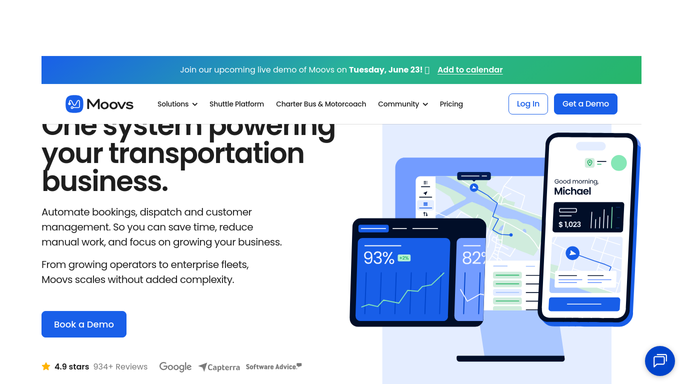
Each week, WebRun reviews your fleet records in Moovs and Google Sheets, identifies vehicles approaching service intervals, and posts maintenance alerts to Slack so nothing is missed.
MoovsGoogle SheetsSlack
Automated Limo Review Requests After Rides
After a trip is marked complete in Limo Anywhere, WebRun drafts a short, personal review request for the client and queues it for your approval before sending.
Limo AnywhereGmailGoogle Sheets
Automated Limo Driver Dispatch Digest
Each morning, WebRun pulls the day's trips from Limo Anywhere and posts each driver a personalized dispatch digest with their schedule, pickup addresses, and client notes.
Limo AnywhereSlackGoogle Sheets
Automated Sports League Sponsor Renewal Follow-Up
WebRun finds sponsors whose agreements are expiring soon in your CRM or tracking sheet, drafts a personalized renewal proposal for each, and queues them for your director to review before sending.
Google SheetsGmailSlack
Automated Sports League Season Registration Report
WebRun pulls the current season's registration numbers from LeagueApps or SportsEngine and posts your leadership team a structured weekly report covering totals, trends, and any divisions below target.
LeagueAppsGoogle SheetsSlack
Automated Sports League Season Feedback Requests
At the end of each season, WebRun finds all registered families in LeagueApps or SportsEngine and drafts a personalized feedback request email so you learn what to improve next year.
LeagueAppsGmailGoogle Sheets
Automated Junk Removal Weekly Revenue Report
Every Monday, WebRun pulls last week's completed jobs and payments from Jobber, calculates revenue by crew and job type, logs the breakdown to a Google Sheet, and posts a concise summary to Slack so you start the week knowing exactly where you stand.
JobberGoogle SheetsSlack
Automated Junk Removal Disposal and Dump Fee Log
After each job run, WebRun reads the disposal fees and dump tickets recorded in Workiz, logs them to a Google Sheet with the job ID and crew name, and posts a daily cost summary to Slack so you always know your true job margins.
WorkizGoogle SheetsSlack
Automated Junk Removal Daily Route Dispatch Digest
Each morning, WebRun pulls the day's jobs from Workiz, groups them by crew and region, and posts each team a Slack or Telegram message with their ordered stop list, job notes, and contact details.
WorkizGoogle SheetsSlack
Automated HVAC Weekly Revenue Report
Every Monday morning, WebRun pulls last week's completed jobs and revenue from ServiceTitan, summarizes performance by job type and technician, and posts the report to your management Slack channel.
ServiceTitanGoogle SheetsSlack
Automated HVAC Truck Stock Reorder Drafts
WebRun reviews your parts and truck stock levels in FieldEdge, drafts purchase orders for items below your reorder threshold, and queues them for your manager to approve before any order is placed.
FieldEdgeGoogle SheetsSlack
Automated Hardware Store Weekly Margin Report
Every Monday, WebRun pulls the prior week's gross margin by department from your POS and posts a clear ranked report to Slack so you can act on underperformers before the next week starts.
Epicor EagleGoogle SheetsSlack
Automated Hardware Store Price Book Update Review
When a supplier price file arrives, WebRun compares it against your current price book, flags the items with significant cost increases, and drafts an approval summary for your review before any prices are updated.
Epicor EagleGoogle SheetsSlack
Automated Garden Center Workshop Event Reminders
Three days before each workshop or in-store event, WebRun drafts reminder emails for registered attendees and queues them for staff to review and send.
Google CalendarMailchimpGoogle Sheets
Automated Garden Center Weekly Revenue Report
Every Monday, WebRun compiles last week's revenue by department from your POS, compares it to the same week last year, and posts a clean weekly summary to your owner's Slack channel.
NCR CounterpointGoogle SheetsSlack
Automated Special Order Arrival Notices for Nurseries
When a special-order plant or product is received in your POS, WebRun drafts a personalised pickup notice to the customer and queues it for staff to send.
SBI SoftwareGmailGoogle Sheets
Automated Nursery Seasonal Care Reminder Campaigns
At each seasonal transition, WebRun drafts personalised plant-care reminder emails for your customer list and queues them for review before sending.
MailchimpSBI SoftwareGoogle Sheets
Automated Garden Center Review Request Emails
A few days after each purchase, WebRun drafts a friendly review request for each customer and queues it for staff to send, so your Google rating grows without any manual follow-up.
Rapid Garden POSGmailGoogle Sheets
Automated Plant Guarantee Follow-Up Emails
Three weeks after a guaranteed plant purchase, WebRun drafts a friendly check-in email asking how the plant is doing and reminding the customer of your guarantee policy.
NCR CounterpointGmailGoogle Sheets
Automated Nursery Perishable Shrink Report
Each week, WebRun compiles your perishable shrink data from your POS, flags the highest-loss categories, and delivers a shrink report to your manager in Slack.
NCR CounterpointGoogle SheetsSlack

Want one of these running on your own Google Sheets?

Show WebRun the process once and it will run it on schedule, in your own private browser environment.