How to Automate Google Sheets

You automate Google Sheets in three layers. Formulas and functions handle anything that stays inside the sheet. Apps Script and scheduled triggers handle repeatable jobs on a timer. Getting the numbers in from tools that have no export is the layer most people still do by hand, and the one worth handing to an agent like WebRun.

Google Sheets quietly became the company database

Google Sheets, which plenty of people still call a Google Spreadsheet, is the free spreadsheet in Google Workspace. In most small companies it quietly became the place where the business is actually run. It holds the customer list, the job schedule, the stock count, the commission working and the numbers someone reads out on Monday morning.

It earned that job by being easy to get into. It opens in a browser, several people can type in it at once, and nobody has to ask an administrator for a licence. The bookkeeper, the office manager and the owner can all be in the same tab at the same time, which is more than can be said for most of the software those three were given.

So the spreadsheet sits downstream of every other tool you own. The booking system, the card terminal, the accounting package and the inbox all feed one sheet, because it is the only place all of it can sit side by side.

Every number in it arrives by hand

Almost none of the time spent on a spreadsheet is spent thinking. It goes on moving numbers into it.

Someone opens the booking system every morning, reads yesterday's total off a dashboard, and types it into a cell. Someone exports a report from the CRM, opens the CSV, deletes three columns and pastes the rest into a tab. Someone checks four supplier portals for prices that changed and updates a column by hand. Someone copies the same figures into a second, tidier sheet for a manager who will never open the first one.

Each takes a few minutes, which is exactly why nobody ever fixes them. They become visible only when the person who does them is on holiday and the sheet goes stale for a fortnight, or when a number gets typed wrong and a decision gets made on it.

The google.com homepage, the app these three jobs run in. Google Sheets
Filling the sheet Yesterday's orders, bookings, balances and ad spend, collected from wherever they live and written into the right row before you open the tab.
Working through the sheet Taking each row and doing something with it somewhere else: a reminder sent, a price checked, a status looked up and written back.
Getting the sheet read Turning the tab nobody opens into a short summary that lands in the place your team already looks every morning.

Formulas only reach what is already open to them

The sheet does more on its own than most people use, and it is worth knowing how far that reaches before paying for anything. One sheet can read a range out of another and stay in step with it. A long tab can be filtered down to a short one that updates itself. A table on a public web page can be pulled in and refreshed. Apps Script will run a job on a timer, so a nightly tidy-up or an emailed snapshot really can be set and forgotten.

Every one of those has the same ceiling. They can only reach what is already open to them: another spreadsheet, a public page, a tool with an API and someone on hand to write against it.

The numbers you actually want are almost never in those places. They are behind a login, on a screen, in a supplier portal or a bank or a booking system or a twenty-year-old piece of trade software, sitting there in plain sight with no export button anywhere near it. That is the wall, and it is the reason someone in your office is still retyping figures at nine in the morning.

A spreadsheet that goes and fetches for itself

Change that, and the question stops being what can I import and becomes what do I want to know.

You buy from six suppliers, and every one shows live prices and stock behind its own login. That can be a column instead: this morning's price against what you paid last time, so the line that moved is obvious before you order.

You ship. Tracking numbers go out and somebody spends an afternoon pasting them into courier sites one at a time. Those statuses can be sitting in the sheet by the time you open it, with anything that stopped moving pushed to the top.

The same trick works on anything you can see in a browser. What your competitors are charging today. Which of your listings slipped off the first page. The takings from a system that only ever shows them on a dashboard. Whether the permit you are waiting on has changed status yet. None of it needs an API, a developer, or an integration somebody else has to build first.

One rule holds across all of it: automate the collecting, keep the deciding. A sheet that fills itself overnight is a gift. A sheet that emails your customers on its own is a risk, and should never send without a person saying yes.

An agent does the retyping

Between the portal where the number lives and the cell it belongs in sits a person. Only the deciding needs one.

WebRun is an AI agent that works a real Chrome browser, signed in as you. It opens the supplier portal, reads the price off the screen, and writes it into the right row of your spreadsheet. Because it uses the browser rather than an API, it reaches anything you can reach: no key to generate, no add-on, no integration that has to exist first.

It runs on your schedule in your own private environment. You can watch a run and stop it mid-way, and anything irreversible drafts and waits for you.

The workflows below are already built. Each one names the apps it touches and the steps it takes, so you can read what it does before you switch it on.

Questions people ask

Do I need to turn on the Google Sheets API or share my spreadsheet?

No. WebRun opens Google Sheets in a real browser signed in as you, so it works with the access you already have. There is no API key, no add-on and no change to the sharing settings on the file.

Will it overwrite the data already in my sheet?

Only where you point it. Most workflows append a new row or write into one named column, and each template spells out which cells it touches before you turn it on. Writing to a raw tab that your working tabs read from keeps typed work safe either way.

Can it pull numbers out of a tool that has no export button?

Yes, and that is usually the reason to use it. WebRun reads the figure off the screen the way a person would, then writes it into your spreadsheet, so a dashboard with no export is no longer a dead end.

4,178 ready-made Google Sheets workflows

Each one names the apps it touches and the exact steps it takes. Open one to read what it will do, then turn it on.
Automated Weekly Club Revenue Report
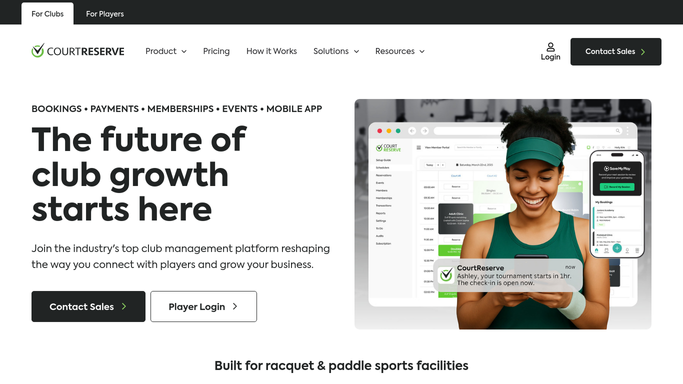
Every Monday, WebRun pulls the previous week's revenue from CourtReserve and Stripe, breaks it down by revenue stream, logs it to a Google Sheet, and posts a clear weekly revenue report to Slack for management.
CourtReserveStripeGoogle Sheets
Automated Pro Shop Reorder Alerts
Every morning, WebRun checks pro shop inventory levels in CourtReserve, identifies items at or below the reorder threshold, drafts a purchase order for staff review, and posts a low-stock alert to Slack.
CourtReserveGoogle SheetsSlack
Automated Court Utilization Digest
Every morning, WebRun pulls yesterday's booking data from CourtReserve, calculates court utilization by court and session type, and posts a clear digest to Slack for management.
CourtReserveGoogle SheetsSlack
Automated Propane Weekly Delivery Report
Every Monday, WebRun pulls last week's delivery totals from ADD Systems, compiles a performance summary covering gallons delivered, stops completed, and revenue, and posts the report to Slack and logs it to Google Sheets.
ADD SystemsGoogle SheetsSlack
Automated Propane Tank Monitor Low-Level Alerts
WebRun checks your tank-monitor data, finds any customer tank that has dropped to a threshold level, and posts an immediate alert to your dispatch team so a delivery can be scheduled before a run-out.
ADD SystemsSlackGoogle Sheets
Automated Propane Daily Route Digest
Each morning, WebRun pulls today's confirmed delivery stops from ADD Systems and posts a structured route digest to your team's Slack channel so drivers and dispatchers start the day aligned.
ADD SystemsGoogle SheetsSlack
Automated Plumbing Truck Stock Reorder
WebRun checks your truck and warehouse stock levels in ServiceTitan or Service Fusion, identifies parts running low, and drafts a purchase order for your supplier so your techs never arrive on a job without the parts they need.
Service FusionGoogle SheetsSlack
Automated Pawn Shop Weekly Revenue Report
Every Monday, WebRun pulls last week's revenue figures from Bravo Store Systems, breaks them down by category, logs the results to Google Sheets, and posts a formatted summary to Slack so you start the week knowing exactly where you stand.
Bravo Store SystemsGoogle SheetsSlack
Automated Pawn Loan Maturity Weekly Digest
Every Monday morning, WebRun pulls the week's upcoming loan maturities from PawnMaster, groups them by urgency, logs the list to Google Sheets, and posts a digest to Slack so staff can plan their outreach for the week.
PawnMasterGoogle SheetsSlack
Automated Pawn Forfeiture Eligibility Worklist
Every morning, WebRun checks PawnMaster for loans that have passed their grace period and may be eligible for forfeiture under your state rules, and posts a staff-only worklist to Slack for manual review and decision.
PawnMasterGoogle SheetsSlack
Automated Pawn Shop Daily Sales and Loan Report
Every evening, WebRun pulls the day's sales totals and new loan activity from Bravo Store Systems, formats a concise report, and posts it to Slack so your team closes the day with a full picture.
Bravo Store SystemsGoogle SheetsSlack
Automated Pawn Shop Aged Inventory Markdown Flags
Every Monday, WebRun scans Bravo Store Systems for retail items that have sat on the floor past your aging threshold, logs them to a Google Sheet, and posts a markdown-candidate list to Slack for staff review.
Bravo Store SystemsGoogle SheetsSlack
Automated Painting Sales Pipeline Report
Every Monday, WebRun pulls data from PaintScout and Jobber, builds a sales pipeline summary, and posts it to Slack so you start the week knowing exactly where your business stands.
PaintScoutJobberGoogle Sheets
Automated Paint Material Reorder Alerts
Every morning, WebRun checks your upcoming job schedule, estimates material needs, and drafts purchase orders for any paint or supplies running low before the job starts.
JobberGoogle SheetsGmail
Automated Orthodontic Production vs Goal Report
Every morning, WebRun pulls the practice's production figures from your management system, compares them to the monthly goal, and posts a progress report to Slack and Google Sheets so the team always knows where they stand.
Dolphin ImagingGoogle SheetsSlack
Automated Orthodontic Insurance Claim Status Tracker
WebRun checks your practice management system for insurance claims that have been outstanding too long, compiles a worklist, and posts it to Slack so the billing team can follow up before claims are denied or expired.
topsOrthoGoogle SheetsSlack
Automated Orthodontic Morning Huddle Digest
Every morning before the clinic opens, WebRun pulls the day's schedule from your practice management system and posts a structured huddle digest to Slack so the team starts the day informed and aligned.
topsOrthoGoogle SheetsSlack
Automated Notary Weekly Volume Report
Every Monday, WebRun tallies the previous week's completed signings from NotaryDash, breaks them down by notary, loan type, and client, and posts a clean summary report to your Slack channel.
NotaryDashGoogle SheetsSlack
Automated Notary Signing Confirmations
When a new signing order lands in Snapdocs, WebRun drafts a confirmation email to the signer with the appointment details and flags the order in your tracking sheet.
SnapdocsGmailGoogle Sheets
Automated Notary Signing Appointment Reminders
The day before each signing, WebRun drafts a reminder to the signer with the time, location, and what to bring, so you reduce no-shows without manual outreach.
SnapdocsGmailGoogle Sheets
Automated Notary Signing Review Requests
A day after a signing is marked complete, WebRun drafts a brief, friendly review request email to the signer so you grow your online reputation without chasing each one manually.
SnapdocsGmailGoogle Sheets
Automated Notary Quote Lead Follow-Ups
When a potential client submits a quote request and has not responded within two days, WebRun drafts a polite follow-up email so you never let a warm lead go unanswered.
NotaryDashGmailGoogle Sheets
Automated Notary Order Intake and Routing
When a new order arrives, WebRun reads the location, loan type, and time window, matches it to an available notary in NotaryDash, and posts the assignment to your ops Slack channel.
NotaryDashGoogle SheetsSlack
Automated Notary Daily Assignment Digest
Each morning, WebRun pulls today's signing assignments from NotaryDash, summarizes them by notary and time slot, and posts a clean daily digest to your ops Slack channel.
NotaryDashGoogle SheetsSlack

Want one of these running on your own Google Sheets?

Show WebRun the process once and it will run it on schedule, in your own private browser environment.