How to Automate Trello

Trello automates through Butler, which moves cards, sets due dates, posts comments and runs rules on a schedule. Butler acts on cards that already exist. Creating the card in the first place, from an order or an email or a form in another system, is the step still done by hand.

The board is how a team sees its own work

Trello is a board of lists and cards, and its whole appeal is that you can understand somebody else's work in about four seconds of looking at it.

That visibility is why it spreads through the parts of a company that never adopted a project tool. A small agency runs client work on it. A landlord runs maintenance requests. A workshop runs repairs, one card per machine, moving left to right as the job progresses.

The unit that matters is the card. A card is one real thing: a job, a fault, an application, an order. The board is honest only for as long as the cards match the things that actually exist in the world.

Which puts all the weight on how cards get made.

Cards get made by whoever remembers

The work arrives somewhere else first. It arrives as an email, a form submission, a phone call, an order in a system, a fault logged on a portal.

Then a person reads it and makes a card. They type a title, paste an address into the description, set a due date and drop it in the right list. It takes ninety seconds and it happens forty times a week.

Two things go wrong, and both are quiet. Cards that never got made, because it was busy on Thursday and nobody wrote it down, so a job simply does not exist as far as the board is concerned. And cards that were made but never updated, sitting in Doing for a fortnight after the customer cancelled.

A board people have stopped trusting gets checked less, which means it drifts further, which is how a team ends up back on a group chat.
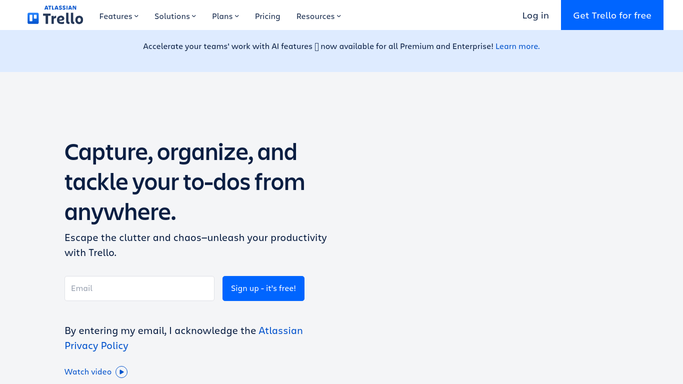
The trello.com homepage, the app these three jobs run in. Trello
Cards that create themselves A new order, application or fault becomes a card in the right list, without anyone transcribing it first.
Boards that match reality A job cancelled in the source system stops sitting on the board looking like work somebody still has to do.
Detail already on the card The reference, the address and the contact filled in, so nobody opens another system to start the job.

Butler acts on cards that already exist

Trello's automation is Butler, and it is genuinely capable for something included in the free plan.

Rules fire when a card is created, moved, labelled or has its due date arrive. Card buttons and board buttons run a set of actions on demand. Calendar commands run on a schedule, so every Monday you can sort, archive or move a batch of cards. Actions cover moving, copying, assigning, commenting, setting dates and posting to other lists.

Every one of those starts from something happening on the board. Butler is very good at what happens to a card once it exists.

It has no way to know that an order arrived in your ordering system, that a form was submitted on a site it cannot see, or that the job on that card was cancelled by a phone call this morning. The board can only react to itself.

The right card can appear on its own

The board reflects whatever was last typed into it, and nothing else. Everything missing from it was already recorded somewhere behind a login.

The overnight orders, each one a card in the intake list, with the reference and the delivery address already in the description. The faults logged on a customer's own portal, which is a site your team has a login for and no integration with. The applications submitted through a recruiting system, each becoming a card in the first column.

The updates matter as much. A job marked complete in the source system moves to Done rather than aging on the board. A cancelled visit gets archived instead of sending somebody out. A date that moved shows the date it moved to.

Worth deciding up front: let one system be the truth. If the board and the source system can both change a job's state, they will eventually disagree, and the disagreement will show up as an engineer standing outside a locked building.

Nobody has to transcribe the work first

Work arrives as an email, a form or a line in another system, and it becomes a card only when a person retypes it. That is not skilled work, but skipping it is how jobs get lost.

WebRun is an AI agent that works a real Chrome browser, signed in as you. It opens the ordering system, the customer portal or the inbox where work arrives, reads what is there, and creates or updates the cards on your board to match.

It runs on your schedule in your own private environment, and you can watch a run and stop it. Anything that would contact a customer drafts and waits for a person.

The workflows below are already built, and each one shows the steps it takes.

Questions people ask

Should we use this instead of Butler?

No, alongside it. Butler is the right tool for what happens once a card exists, and it is free. This handles the part Butler cannot reach: creating and updating cards from systems outside Trello.

Will the board fill up with duplicates?

Each workflow matches on a reference from the source system, so a second run updates the card it already made. Cards it has created can also be kept in their own list until someone triages them.

Does it work with a free Trello plan?

Yes. It works the Trello interface signed in as you, so anything you can do by hand on your current plan it can do too. There is no Power-Up to install.

1,079 ready-made Trello workflows

Each one names the apps it touches and the exact steps it takes. Open one to read what it will do, then turn it on.

Automated Zalando Return Reason Reports
Every Monday, WebRun reads last week's Zalando returns, groups them by article and reason, and files a ranked breakdown so the worst listings get fixed or pulled.
ZalandoNotionTrello
Automated Yotpo Review Request Scorecard
Every Monday, WebRun reads your Yotpo review requests and the reviews they produced, works out the conversion per product, opens a Trello card for every catalog gap, and sends you the scorecard on WhatsApp.
YotpoTrelloWhatsApp
Automatic When2meet Response Chasing
Every morning, WebRun checks your When2meet event for who has not filled in the grid, updates a Trello card with the missing names, and drafts a WhatsApp nudge for you to send.
When2meetTrelloWhatsApp
Automated Vyond Video Approval Tracking
Every morning, WebRun checks which Vyond videos are waiting on a reviewer decision, puts each one on a Trello board with its owner, and sends the overdue ones to WhatsApp.
VyondTrelloWhatsApp
Automated Trillian Inactive Account Audits
Every Monday, WebRun reads your Trillian user list for accounts with no recent activity, records them in Notion with the groups they still belong to, and raises a Trello card per account.
TrillianNotionTrello
Automated Totaljobs Applicant Shortlisting
Every morning, WebRun reads the applications that landed on your Totaljobs ads overnight, builds a ranked shortlist in Notion, and opens a card in Trello for each candidate worth a call.
TotaljobsNotionTrello
Automated Textmagic Undeliverable Number Cleanup
Every Monday, WebRun reads your Textmagic delivery reports, queues the numbers that keep failing on a Trello card for approval, and messages you the summary on WhatsApp.
TextmagicTrelloWhatsApp
Automatic TeamSpeak Slot Capacity Monitoring
Every Monday, WebRun checks your TeamSpeak licence slot count against how full your servers got, drafts a Twilio text if you are near the ceiling, and opens a Trello card.
TeamSpeakTwilioTrello
Automated Blind Comment Reply Drafting
Every night, WebRun reads the new comments on your team's Blind posts, writes a suggested reply for each one into a Trello card, and pings your employer brand lead in WhatsApp to approve them.
BlindTrelloWhatsApp
Automated SurveySparrow Detractor Routing
When a SurveySparrow response comes in with a low score, WebRun opens a Trello card for the follow up owner and pings them on WhatsApp with the comment.
SurveySparrowTrelloWhatsApp
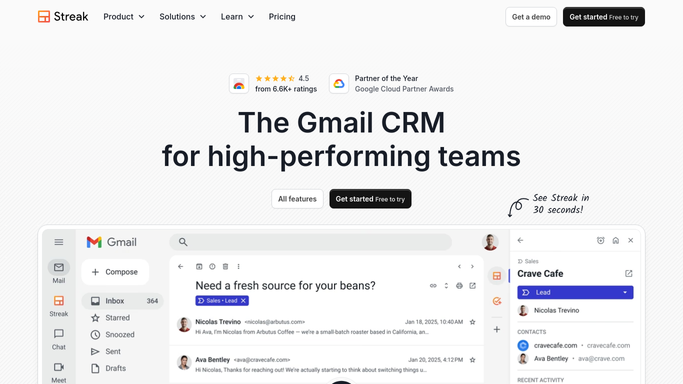
Automated Streak Daily Follow-Up Lists
Every morning, WebRun reads the Streak tasks and reminders due today across every pipeline, opens a Trello card per follow-up, and logs the day's list in Airtable.
StreakTrelloAirtable
Automated SimplyBook.me Empty Slot Alerts
Every morning, WebRun reads tomorrow's SimplyBook.me schedule provider by provider, finds the unbooked hours, and hands your team a drafted offer to fill them.
SimplyBook.meTrelloWhatsApp
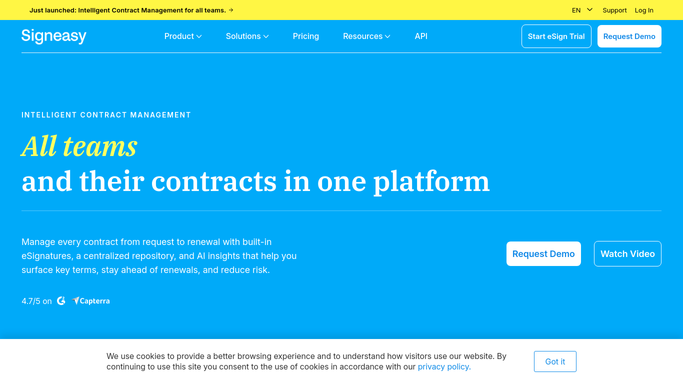
Automated Signeasy Signed Contract Archive
Every Monday, WebRun opens Signeasy, saves last week's completed documents and audit trails, adds each to a contract register on Trello, and confirms on WhatsApp.
SigneasyTrelloWhatsApp
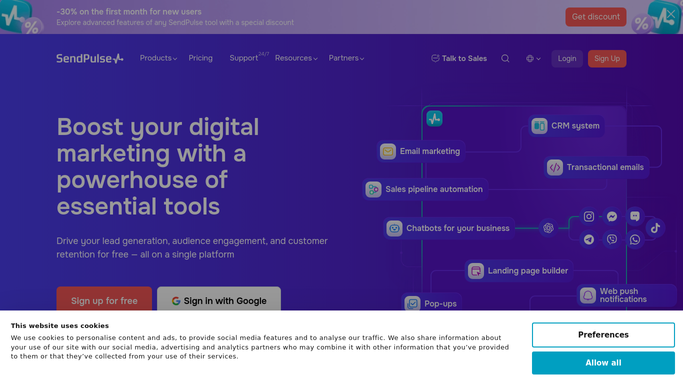
Automated SendPulse List Hygiene Cleanup
Every Monday, WebRun reviews last week's SendPulse bounces, complaints and unsubscribes, logs them in Airtable, and raises a Trello card with the addresses to remove.
SendPulseAirtableTrello
Automated Seamless.ai Credit Usage Alerts
Every Monday, WebRun reads your Seamless.ai credit usage, works out the burn rate against what is left, logs it on a Trello card, and WhatsApps the sales manager.
Seamless.aiTrelloWhatsApp
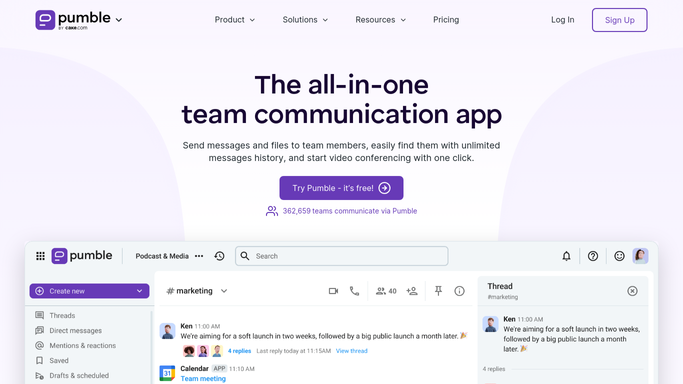
Automated Pumble Channel Cleanup
Every Monday, WebRun reviews your Pumble channels for dead conversations and thin membership, writes an archive shortlist to Notion, and opens a Trello card for each channel that needs an owner.
PumbleNotionTrello
Automated Postmark Bounce Cleanup Reports
Every morning, WebRun reads new Postmark bounces, complaints, and suppressions, groups them by cause, raises a Trello cleanup card per stream, and sends the day's count to WhatsApp.
PostmarkTrelloWhatsApp
Automated PhantomBuster Failure Alerts
Every morning, WebRun reviews your PhantomBuster launches, picks out the ones that errored, timed out, or came back empty, and queues each for a fix.
PhantomBusterTrelloWhatsApp
Automated Paddle Failed Payment Recovery
Every morning, WebRun finds the Paddle subscriptions with a failed payment, builds the recovery list in Notion with each customer's history, and opens a Trello card so someone owns the outreach today.
PaddleNotionTrello
Automated Owler Account Research Packs
Upload your target account list and WebRun looks each company up on Owler, writes a one-page brief per account into Trello, and sends you a WhatsApp note when the pack is ready.
OwlerTrelloWhatsApp
Automatic Nintendo Membership Renewal Checks
Every Monday, WebRun reads your Nintendo Account family group and membership status, adds a Trello card for anything that needs a decision, and messages you on WhatsApp before it bills.
NintendoTrelloWhatsApp
Automatic Namesilo Renewal Funding Alerts
Every morning, WebRun adds up the Namesilo renewals coming due, compares them against your account funds balance, cards the shortfall in Trello, and warns you on WhatsApp.
NamesiloTrelloWhatsApp
Automated N26 Weekly Transaction Log
Every Monday, WebRun copies last week's N26 transactions into your Notion bookkeeping log, grouped by category, and raises a Trello card for anything it cannot place.
N26NotionTrello
Automated Moomoo Watchlist Movers Digest
Every morning, WebRun reads your Moomoo watchlist, ranks the overnight movers biggest first, texts you the summary, and logs the day's list to a Trello card.
MoomooTwilioTrello

Want one of these running on your own Trello?

Show WebRun the process once and it will run it on schedule, in your own private browser environment.