How to Automate Google Sheets

You automate Google Sheets in three layers. Formulas and functions handle anything that stays inside the sheet. Apps Script and scheduled triggers handle repeatable jobs on a timer. Getting the numbers in from tools that have no export is the layer most people still do by hand, and the one worth handing to an agent like WebRun.

Google Sheets quietly became the company database

Google Sheets, which plenty of people still call a Google Spreadsheet, is the free spreadsheet in Google Workspace. In most small companies it quietly became the place where the business is actually run. It holds the customer list, the job schedule, the stock count, the commission working and the numbers someone reads out on Monday morning.

It earned that job by being easy to get into. It opens in a browser, several people can type in it at once, and nobody has to ask an administrator for a licence. The bookkeeper, the office manager and the owner can all be in the same tab at the same time, which is more than can be said for most of the software those three were given.

So the spreadsheet sits downstream of every other tool you own. The booking system, the card terminal, the accounting package and the inbox all feed one sheet, because it is the only place all of it can sit side by side.

Every number in it arrives by hand

Almost none of the time spent on a spreadsheet is spent thinking. It goes on moving numbers into it.

Someone opens the booking system every morning, reads yesterday's total off a dashboard, and types it into a cell. Someone exports a report from the CRM, opens the CSV, deletes three columns and pastes the rest into a tab. Someone checks four supplier portals for prices that changed and updates a column by hand. Someone copies the same figures into a second, tidier sheet for a manager who will never open the first one.

Each takes a few minutes, which is exactly why nobody ever fixes them. They become visible only when the person who does them is on holiday and the sheet goes stale for a fortnight, or when a number gets typed wrong and a decision gets made on it.

The google.com homepage, the app these three jobs run in. Google Sheets
Filling the sheet Yesterday's orders, bookings, balances and ad spend, collected from wherever they live and written into the right row before you open the tab.
Working through the sheet Taking each row and doing something with it somewhere else: a reminder sent, a price checked, a status looked up and written back.
Getting the sheet read Turning the tab nobody opens into a short summary that lands in the place your team already looks every morning.

Formulas only reach what is already open to them

The sheet does more on its own than most people use, and it is worth knowing how far that reaches before paying for anything. One sheet can read a range out of another and stay in step with it. A long tab can be filtered down to a short one that updates itself. A table on a public web page can be pulled in and refreshed. Apps Script will run a job on a timer, so a nightly tidy-up or an emailed snapshot really can be set and forgotten.

Every one of those has the same ceiling. They can only reach what is already open to them: another spreadsheet, a public page, a tool with an API and someone on hand to write against it.

The numbers you actually want are almost never in those places. They are behind a login, on a screen, in a supplier portal or a bank or a booking system or a twenty-year-old piece of trade software, sitting there in plain sight with no export button anywhere near it. That is the wall, and it is the reason someone in your office is still retyping figures at nine in the morning.

A spreadsheet that goes and fetches for itself

Change that, and the question stops being what can I import and becomes what do I want to know.

You buy from six suppliers, and every one shows live prices and stock behind its own login. That can be a column instead: this morning's price against what you paid last time, so the line that moved is obvious before you order.

You ship. Tracking numbers go out and somebody spends an afternoon pasting them into courier sites one at a time. Those statuses can be sitting in the sheet by the time you open it, with anything that stopped moving pushed to the top.

The same trick works on anything you can see in a browser. What your competitors are charging today. Which of your listings slipped off the first page. The takings from a system that only ever shows them on a dashboard. Whether the permit you are waiting on has changed status yet. None of it needs an API, a developer, or an integration somebody else has to build first.

One rule holds across all of it: automate the collecting, keep the deciding. A sheet that fills itself overnight is a gift. A sheet that emails your customers on its own is a risk, and should never send without a person saying yes.

An agent does the retyping

Between the portal where the number lives and the cell it belongs in sits a person. Only the deciding needs one.

WebRun is an AI agent that works a real Chrome browser, signed in as you. It opens the supplier portal, reads the price off the screen, and writes it into the right row of your spreadsheet. Because it uses the browser rather than an API, it reaches anything you can reach: no key to generate, no add-on, no integration that has to exist first.

It runs on your schedule in your own private environment. You can watch a run and stop it mid-way, and anything irreversible drafts and waits for you.

The workflows below are already built. Each one names the apps it touches and the steps it takes, so you can read what it does before you switch it on.

Questions people ask

Do I need to turn on the Google Sheets API or share my spreadsheet?

No. WebRun opens Google Sheets in a real browser signed in as you, so it works with the access you already have. There is no API key, no add-on and no change to the sharing settings on the file.

Will it overwrite the data already in my sheet?

Only where you point it. Most workflows append a new row or write into one named column, and each template spells out which cells it touches before you turn it on. Writing to a raw tab that your working tabs read from keeps typed work safe either way.

Can it pull numbers out of a tool that has no export button?

Yes, and that is usually the reason to use it. WebRun reads the figure off the screen the way a person would, then writes it into your spreadsheet, so a dashboard with no export is no longer a dead end.

4,178 ready-made Google Sheets workflows

Each one names the apps it touches and the exact steps it takes. Open one to read what it will do, then turn it on.


Automated FUE Graft Count Recap
After every transplant day, WebRun pulls each FUE session's graft counts from TrichoSuite, logs them to a Google Sheet, and posts your surgical team a Slack recap of grafts placed per case.
TrichoSuiteGoogle SheetsSlack
OmniMD Automated Vein Therapy Timer
Every morning, WebRun reviews varicose vein patients on conservative therapy in OmniMD, counts how many weeks each has completed, and tells you in Telegram who has met the payer waiting period and is ready to proceed.
OmniMDGoogle SheetsTelegram
OnRamp Automated Powder Lot Traceability
Each day, WebRun reads powder material lots in OnRamp from receipt through application, builds a Google Sheet traceability record linking each lot to the batches and work orders it coated, and posts a Telegram summary of what was consumed and what is running low.
OnRampGoogle SheetsTelegram
FieldX Automated Soil Sample Tracking
Every morning, WebRun opens FieldX, checks which soil samples have been collected and submitted, logs their status in Google Sheets, and posts a short tracking digest to Slack.
FieldXGoogle SheetsSlack
Steelhead Automatic Plating Job Cost Reports
Every Monday, WebRun pulls each finished job's labor time per process step from Steelhead, works out cost against the quoted price, and posts you a profitability report in a Sheet and Slack.
Steelhead TechnologiesGoogle SheetsSlack
Agriware Automated Available-to-Sell Digest
Every morning, WebRun reads available-to-sell inventory in Agriware 365, writes a snapshot to a Google Sheet, and sends your sales team a Telegram digest of what is ready to sell today.
Agriware 365Google SheetsTelegram
Automated Farm360 Biomass Growth Summary
Every Monday, WebRun reads current stock, biomass, and average weight per cage in Farm360, logs the week's figures to Google Sheets, and posts a growth summary to Microsoft Teams.
Innovasea Farm360Google SheetsMicrosoft Teams
MyApiary Automated Queen History Digest
Every Monday, WebRun reads queen events from MyApiary, builds a running queen history sheet per hive, and posts your team a digest of recent requeens and colonies still overdue for a new queen.
MyApiaryGoogle SheetsSlack
Automated Trademark Renewal Deadlines
Each morning, WebRun opens Alt Legal, reads the renewal and use deadlines approaching across your docket, logs them to a Google Sheet, and posts the team a Slack digest so no trademark deadline slips.
Alt LegalGoogle SheetsSlack
Automated Abstractor Order Assignment
Every few minutes, WebRun finds unassigned title orders in AbstractorPro, matches each one to an abstractor who covers that county from your Google Sheets roster, and assigns it, then posts the assignments to Slack.
AbstractorProGoogle SheetsSlack
Flybook Automated Pre-Arrival Reminders
Every morning, WebRun finds ranch weeks starting soon in Flybook, builds a packing and travel reminder tailored to each party's activities and season, and drafts it in Mailchimp for your team to review before it goes out.
FlybookMailchimpGoogle Sheets
Automated Stall Rent Threshold Alerts
Every week, WebRun reads each stall's sales from Hallpass, compares them to that vendor's percentage-rent breakpoint tracked in Google Sheets, and posts you a Slack list of the stalls that came in under threshold.
HallpassGoogle SheetsSlack
Automated Glamping Check-In Texts
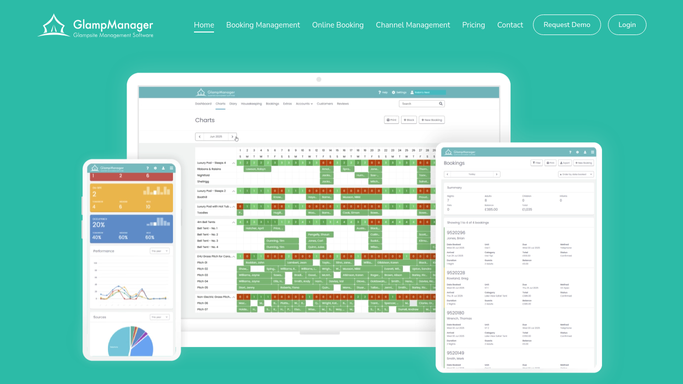
Each afternoon, WebRun finds guests arriving tomorrow in GlampManager, drafts a friendly check-in text with the gate code and arrival window through Twilio, and logs the schedule to a Google Sheet, leaving every message for you to approve before it sends.
GlampManagerTwilioGoogle Sheets
Automated Cheese Shrink Variance Reports
Every week, WebRun compares the weight you cut into ShelfPerks against what Square actually sold by weight, calculates the shrink per cheese, and logs a variance report to Google Sheets so you can see where product is walking off.
ShelfPerksSquareGoogle Sheets
Automated Block of the Month Reminders
Each month, WebRun opens Like Sew, finds Block of the Month members due to be billed, and drafts each a friendly heads-up email for you to approve before it sends.
Like SewGmailGoogle Sheets
Automated Comic Shipment Reconciliation
Each new-comic-day, WebRun compares the titles received in Nerdslice against the distributor invoice, logs every shortage, overage, and damage to Google Sheets, and posts a reconciliation digest to Slack so nothing on the invoice slips through unbilled.
NerdsliceGoogle SheetsSlack
Automated Vinyl Trade-In Pricing
When a customer brings in records to sell, WebRun looks up each title's recent Discogs sold prices and your Common Ground stock, then builds a Google Sheet with a suggested buy and resale price per record for your buyer to approve.
Common GroundDiscogsGoogle Sheets
Automated FFL Acquisition Reconciliation
Every morning, WebRun matches yesterday's RSR Group receipts against the acquisitions logged in FastBound, logs any mismatches to a Google Sheet, and flags gaps for your staff to correct.
FastBoundRSR GroupGoogle Sheets
Cigars POS Automated Aging Stock Report
WebRun reviews Cigars POS each week for premium boxes and bundles sitting in the humidor past a set age, logs their age and tied-up value to a Google Sheet, and posts a Slack digest so you can move or feature slow aging stock.
Cigars POSGoogle SheetsSlack
Automated BridalLive Special Order Tracking
WebRun reviews your BridalLive special orders each morning, compares each gown's promised ship date against its wedding date, logs the status to a Google Sheet, and posts your team a Slack list of orders slipping toward the danger zone.
BridalLiveGoogle SheetsSlack
Automated Facade Inspection Lead Intake
WebRun reads new facade inspection enquiries from your inbox, opens a starter estimate in ScopeTakeoff for each, and logs the lead to a Google Sheet so nothing slips.
GmailScopeTakeoffGoogle Sheets
Automated Grease-Trap Waste Manifests
After each shift, WebRun reads the day's completed grease trap jobs in Tank Track, builds a clean waste manifest record for every one with gallons pumped and disposal site, logs them to a Google Sheet, and posts your office a Slack summary.
Tank TrackGoogle SheetsSlack
Automated Cabling Drop Count Material List
After a SureCount takeoff, WebRun reads the drop counts and device symbols from your Conest IntelliBid estimate, builds a clean cable and hardware material list in a Google Sheet, and posts your PM a Slack summary of quantities by area.
Conest IntelliBidGoogle SheetsSlack
Automated Sealcoat Rebooking Outreach
WebRun finds past parking-lot customers in Bitumio who are due for remaintenance, drafts a personal text for each, and logs the rebooking list to a sheet.
BitumioTwilioGoogle Sheets

Want one of these running on your own Google Sheets?

Show WebRun the process once and it will run it on schedule, in your own private browser environment.