How to Automate Google Sheets

You automate Google Sheets in three layers. Formulas and functions handle anything that stays inside the sheet. Apps Script and scheduled triggers handle repeatable jobs on a timer. Getting the numbers in from tools that have no export is the layer most people still do by hand, and the one worth handing to an agent like WebRun.

Google Sheets quietly became the company database

Google Sheets, which plenty of people still call a Google Spreadsheet, is the free spreadsheet in Google Workspace. In most small companies it quietly became the place where the business is actually run. It holds the customer list, the job schedule, the stock count, the commission working and the numbers someone reads out on Monday morning.

It earned that job by being easy to get into. It opens in a browser, several people can type in it at once, and nobody has to ask an administrator for a licence. The bookkeeper, the office manager and the owner can all be in the same tab at the same time, which is more than can be said for most of the software those three were given.

So the spreadsheet sits downstream of every other tool you own. The booking system, the card terminal, the accounting package and the inbox all feed one sheet, because it is the only place all of it can sit side by side.

Every number in it arrives by hand

Almost none of the time spent on a spreadsheet is spent thinking. It goes on moving numbers into it.

Someone opens the booking system every morning, reads yesterday's total off a dashboard, and types it into a cell. Someone exports a report from the CRM, opens the CSV, deletes three columns and pastes the rest into a tab. Someone checks four supplier portals for prices that changed and updates a column by hand. Someone copies the same figures into a second, tidier sheet for a manager who will never open the first one.

Each takes a few minutes, which is exactly why nobody ever fixes them. They become visible only when the person who does them is on holiday and the sheet goes stale for a fortnight, or when a number gets typed wrong and a decision gets made on it.

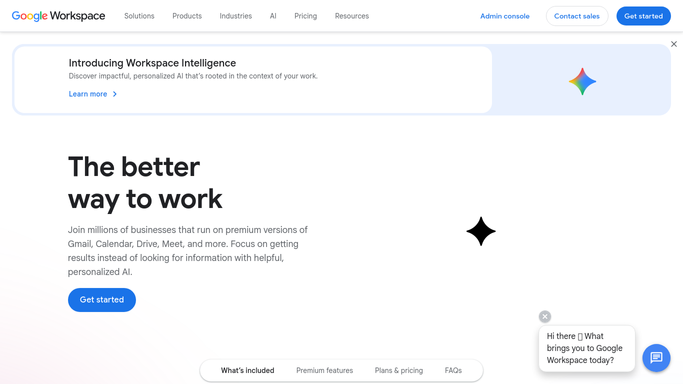
The google.com homepage, the app these three jobs run in. Google Sheets
Filling the sheet Yesterday's orders, bookings, balances and ad spend, collected from wherever they live and written into the right row before you open the tab.
Working through the sheet Taking each row and doing something with it somewhere else: a reminder sent, a price checked, a status looked up and written back.
Getting the sheet read Turning the tab nobody opens into a short summary that lands in the place your team already looks every morning.

Formulas only reach what is already open to them

The sheet does more on its own than most people use, and it is worth knowing how far that reaches before paying for anything. One sheet can read a range out of another and stay in step with it. A long tab can be filtered down to a short one that updates itself. A table on a public web page can be pulled in and refreshed. Apps Script will run a job on a timer, so a nightly tidy-up or an emailed snapshot really can be set and forgotten.

Every one of those has the same ceiling. They can only reach what is already open to them: another spreadsheet, a public page, a tool with an API and someone on hand to write against it.

The numbers you actually want are almost never in those places. They are behind a login, on a screen, in a supplier portal or a bank or a booking system or a twenty-year-old piece of trade software, sitting there in plain sight with no export button anywhere near it. That is the wall, and it is the reason someone in your office is still retyping figures at nine in the morning.

A spreadsheet that goes and fetches for itself

Change that, and the question stops being what can I import and becomes what do I want to know.

You buy from six suppliers, and every one shows live prices and stock behind its own login. That can be a column instead: this morning's price against what you paid last time, so the line that moved is obvious before you order.

You ship. Tracking numbers go out and somebody spends an afternoon pasting them into courier sites one at a time. Those statuses can be sitting in the sheet by the time you open it, with anything that stopped moving pushed to the top.

The same trick works on anything you can see in a browser. What your competitors are charging today. Which of your listings slipped off the first page. The takings from a system that only ever shows them on a dashboard. Whether the permit you are waiting on has changed status yet. None of it needs an API, a developer, or an integration somebody else has to build first.

One rule holds across all of it: automate the collecting, keep the deciding. A sheet that fills itself overnight is a gift. A sheet that emails your customers on its own is a risk, and should never send without a person saying yes.

An agent does the retyping

Between the portal where the number lives and the cell it belongs in sits a person. Only the deciding needs one.

WebRun is an AI agent that works a real Chrome browser, signed in as you. It opens the supplier portal, reads the price off the screen, and writes it into the right row of your spreadsheet. Because it uses the browser rather than an API, it reaches anything you can reach: no key to generate, no add-on, no integration that has to exist first.

It runs on your schedule in your own private environment. You can watch a run and stop it mid-way, and anything irreversible drafts and waits for you.

The workflows below are already built. Each one names the apps it touches and the steps it takes, so you can read what it does before you switch it on.

Questions people ask

Do I need to turn on the Google Sheets API or share my spreadsheet?

No. WebRun opens Google Sheets in a real browser signed in as you, so it works with the access you already have. There is no API key, no add-on and no change to the sharing settings on the file.

Will it overwrite the data already in my sheet?

Only where you point it. Most workflows append a new row or write into one named column, and each template spells out which cells it touches before you turn it on. Writing to a raw tab that your working tabs read from keeps typed work safe either way.

Can it pull numbers out of a tool that has no export button?

Yes, and that is usually the reason to use it. WebRun reads the figure off the screen the way a person would, then writes it into your spreadsheet, so a dashboard with no export is no longer a dead end.

4,178 ready-made Google Sheets workflows

Each one names the apps it touches and the exact steps it takes. Open one to read what it will do, then turn it on.

Automated Slow Tea Blend Clearance Alerts
Every Monday, WebRun finds blends selling slower than usual in ClearTEQ POS, builds a clearance list with a suggested markdown in Google Sheets, and pings your Telegram group so the team can decide what to mark down.
ClearTEQ POSGoogle SheetsTelegram
Automated Sintel Loyalty Winback Drafts
Every Monday, WebRun finds Sweet Tooth Club members in Sintel Systems who haven't bought in 45 days, drafts a personal winback email or text in Klaviyo for each, and logs the list to Google Sheets for staff to review before sending.
Sintel SystemsKlaviyoGoogle Sheets
Automated Post Holiday Clearance Markdowns
The Monday after any holiday push, WebRun finds seasonal stock still sitting in Artisan POS, checks its cost and margin in QuickBooks, and suggests a markdown percentage to move it before it ties up a shelf all season.
Artisan POSGoogle SheetsQuickBooks
Automated GiftLogic Overstock Clearance Alerts
Every Monday, WebRun finds GiftLogic SKUs that have been sitting too long, suggests a markdown for each in Google Sheets, and pings your manager on Telegram to review before any price changes.
GiftLogicGoogle SheetsTelegram
Automated Restroworks Outlet Sales Digest
Every night after close, WebRun opens Restroworks, totals each outlet's gross sales, covers, and average ticket, logs the numbers to a shared Google Sheet, and posts a ranked digest to Microsoft Teams so ops sees the whole chain at a glance.
RestroworksGoogle SheetsMicrosoft Teams
Automated Poster Low Stock Alerts
WebRun checks your Poster ingredient stock against the par levels you set each morning, logs any shortfall to a Sheet, and pings Telegram with what to reorder before you run out.
PosterGoogle SheetsTelegram
Automated Nextar Online Catalog Order Sync
Every few minutes, WebRun checks Nextar's online catalog for new orders, logs each one to Google Sheets, and alerts your team on Telegram so nothing waits unfulfilled.
NextarGoogle SheetsTelegram
Automated Marg ERP Expiry Stock Alerts
Every morning, WebRun scans batch and expiry data in Marg ERP for stock nearing expiry, builds a ranked clearance list in Google Sheets, and drafts WhatsApp offers to the right retailers. Nothing sends without your approval.
Marg ERPWhatsAppGoogle Sheets
Automated Vyapar Low-Stock Reorder Alerts
Every morning, WebRun opens Vyapar, finds every item below its reorder level, builds a reorder worksheet in Google Sheets, and alerts your team in Slack so nothing sells out.
VyaparGoogle SheetsSlack
Automated GoFrugal ONDC Order Status Sync
Every hour, WebRun checks GoFrugal for ONDC orders stuck in status or nearing their action deadline, logs each exception to Google Sheets, and emails your ecommerce team the ones that need attention now.
GoFrugalGoogle SheetsGmail
Automated Qashier Multi-Outlet Sales Comparison
Every morning, WebRun pulls yesterday's sales from every Qashier outlet, ranks them side by side in a Google Sheet, and emails the owner which locations are ahead or behind.
QashierGoogle SheetsGmail
Automated Loyverse Multi-Store Transfer Suggestions
Every week, WebRun opens Loyverse, compares stock levels for the same item across every store, builds a transfer suggestion list in Google Sheets, and posts you a Slack summary of what to move where.
LoyverseGoogle SheetsSlack
StoreHub Online vs In-Store Sales Sync
Every night, WebRun reconciles your StoreHub in-store sales against Shopify online orders, logs the combined totals to Google Sheets, and flags any mismatch or double-count.
StoreHubShopifyGoogle Sheets
Automated Accolent ERP Handpiece Repair Updates
Every day, WebRun checks open handpiece repair orders in Accolent ERP against the repair vendor's status sheet, updates each order's stage, and drafts a status email in Gmail to the practice for your service desk to review before sending.
Accolent ERPGoogle SheetsGmail
Automated DistributionPlus Open Quote Follow Ups
Every morning, WebRun checks CP Tech DistributionPlus for quotes sent more than 3 business days ago with no order attached, drafts a polite follow up email for each in Outlook for your rep to review, logs the pipeline to Google Sheets, and posts a ranked Slack list by quote value.
CP Tech DistributionPlusOutlookGoogle Sheets
Function Point Automated Media Deadline Alerts
Every morning, WebRun checks Function Point and the media plan in Google Sheets for upcoming booking and material deadlines, and posts your media team a Slack alert before any placement is at risk of missing its slot.
Function PointGoogle SheetsSlack
Syngency Automated Comp Card Renewal Reminders
Every Monday, WebRun checks Syngency for talent whose comp card or headshots are older than 12 months, drafts a friendly Gmail reminder suggesting a reshoot, and logs the renewal status for every talent in Google Sheets.
SyngencyGmailGoogle Sheets
Studio Hero Automated Mix Revision Tracking
When a client asks for mix changes in Studio Hero, WebRun logs the request on a Google Sheets tracker and pings the assigned engineer in Slack, so nothing open falls out of sight.
Studio HeroGoogle SheetsSlack
Automated Due Diligence Deadline Tracking
WebRun tracks each deal's due diligence end date in Google Sheets against BizBuySell listing status, and adds a countdown reminder to your Google Calendar so no deadline sneaks up on you.
BizBuySellGoogle SheetsGoogle Calendar
Automated Applied Epic Renewal Marketing Summary
Every Monday, WebRun opens Applied Epic, reads the marketing activity on renewals coming up in the next 60 days, builds a carrier quote comparison in a sheet, and drafts a client-ready renewal summary in Outlook for your producer to review and send.
Applied EpicGoogle SheetsOutlook
Automated Divorce Asset Division Comparisons
Whenever a new asset division scenario is saved in Family Law Software, WebRun turns the numbers into a clear side by side comparison in Google Sheets and posts the highlights to Slack for the attorney to review.
Family Law SoftwareGoogle SheetsSlack
Automated RIA Compliance Mock Audit Reminders
Every Monday, WebRun checks client files in Redtail Technology against your mock audit checklist, logs every gap to Google Sheets, and posts a Slack alert to your compliance officer so records stay exam ready year round.
Redtail TechnologyGoogle SheetsSlack
Automated CourseStorm Makeup Class Alerts
Every hour, WebRun checks CourseStorm for a cancelled class session, finds the enrolled roster, drafts a makeup-session notice in Gmail once a new date is set, and alerts your coordinator in Slack so the makeup gets communicated quickly.
CourseStormGoogle SheetsGmail
Automated CoreCampus Gainful Employment Reports
WebRun pulls completion, cost, and placement data from CoreCampus, compiles it into the Gainful Employment disclosure worksheet in Google Sheets, and archives the packet in Google Drive for the compliance officer to review.
CoreCampusGoogle SheetsGoogle Drive

Want one of these running on your own Google Sheets?

Show WebRun the process once and it will run it on schedule, in your own private browser environment.