How to Automate Google Sheets

You automate Google Sheets in three layers. Formulas and functions handle anything that stays inside the sheet. Apps Script and scheduled triggers handle repeatable jobs on a timer. Getting the numbers in from tools that have no export is the layer most people still do by hand, and the one worth handing to an agent like WebRun.

Google Sheets quietly became the company database

Google Sheets, which plenty of people still call a Google Spreadsheet, is the free spreadsheet in Google Workspace. In most small companies it quietly became the place where the business is actually run. It holds the customer list, the job schedule, the stock count, the commission working and the numbers someone reads out on Monday morning.

It earned that job by being easy to get into. It opens in a browser, several people can type in it at once, and nobody has to ask an administrator for a licence. The bookkeeper, the office manager and the owner can all be in the same tab at the same time, which is more than can be said for most of the software those three were given.

So the spreadsheet sits downstream of every other tool you own. The booking system, the card terminal, the accounting package and the inbox all feed one sheet, because it is the only place all of it can sit side by side.

Every number in it arrives by hand

Almost none of the time spent on a spreadsheet is spent thinking. It goes on moving numbers into it.

Someone opens the booking system every morning, reads yesterday's total off a dashboard, and types it into a cell. Someone exports a report from the CRM, opens the CSV, deletes three columns and pastes the rest into a tab. Someone checks four supplier portals for prices that changed and updates a column by hand. Someone copies the same figures into a second, tidier sheet for a manager who will never open the first one.

Each takes a few minutes, which is exactly why nobody ever fixes them. They become visible only when the person who does them is on holiday and the sheet goes stale for a fortnight, or when a number gets typed wrong and a decision gets made on it.

The google.com homepage, the app these three jobs run in. Google Sheets
Filling the sheet Yesterday's orders, bookings, balances and ad spend, collected from wherever they live and written into the right row before you open the tab.
Working through the sheet Taking each row and doing something with it somewhere else: a reminder sent, a price checked, a status looked up and written back.
Getting the sheet read Turning the tab nobody opens into a short summary that lands in the place your team already looks every morning.

Formulas only reach what is already open to them

The sheet does more on its own than most people use, and it is worth knowing how far that reaches before paying for anything. One sheet can read a range out of another and stay in step with it. A long tab can be filtered down to a short one that updates itself. A table on a public web page can be pulled in and refreshed. Apps Script will run a job on a timer, so a nightly tidy-up or an emailed snapshot really can be set and forgotten.

Every one of those has the same ceiling. They can only reach what is already open to them: another spreadsheet, a public page, a tool with an API and someone on hand to write against it.

The numbers you actually want are almost never in those places. They are behind a login, on a screen, in a supplier portal or a bank or a booking system or a twenty-year-old piece of trade software, sitting there in plain sight with no export button anywhere near it. That is the wall, and it is the reason someone in your office is still retyping figures at nine in the morning.

A spreadsheet that goes and fetches for itself

Change that, and the question stops being what can I import and becomes what do I want to know.

You buy from six suppliers, and every one shows live prices and stock behind its own login. That can be a column instead: this morning's price against what you paid last time, so the line that moved is obvious before you order.

You ship. Tracking numbers go out and somebody spends an afternoon pasting them into courier sites one at a time. Those statuses can be sitting in the sheet by the time you open it, with anything that stopped moving pushed to the top.

The same trick works on anything you can see in a browser. What your competitors are charging today. Which of your listings slipped off the first page. The takings from a system that only ever shows them on a dashboard. Whether the permit you are waiting on has changed status yet. None of it needs an API, a developer, or an integration somebody else has to build first.

One rule holds across all of it: automate the collecting, keep the deciding. A sheet that fills itself overnight is a gift. A sheet that emails your customers on its own is a risk, and should never send without a person saying yes.

An agent does the retyping

Between the portal where the number lives and the cell it belongs in sits a person. Only the deciding needs one.

WebRun is an AI agent that works a real Chrome browser, signed in as you. It opens the supplier portal, reads the price off the screen, and writes it into the right row of your spreadsheet. Because it uses the browser rather than an API, it reaches anything you can reach: no key to generate, no add-on, no integration that has to exist first.

It runs on your schedule in your own private environment. You can watch a run and stop it mid-way, and anything irreversible drafts and waits for you.

The workflows below are already built. Each one names the apps it touches and the steps it takes, so you can read what it does before you switch it on.

Questions people ask

Do I need to turn on the Google Sheets API or share my spreadsheet?

No. WebRun opens Google Sheets in a real browser signed in as you, so it works with the access you already have. There is no API key, no add-on and no change to the sharing settings on the file.

Will it overwrite the data already in my sheet?

Only where you point it. Most workflows append a new row or write into one named column, and each template spells out which cells it touches before you turn it on. Writing to a raw tab that your working tabs read from keeps typed work safe either way.

Can it pull numbers out of a tool that has no export button?

Yes, and that is usually the reason to use it. WebRun reads the figure off the screen the way a person would, then writes it into your spreadsheet, so a dashboard with no export is no longer a dead end.

4,178 ready-made Google Sheets workflows

Each one names the apps it touches and the exact steps it takes. Open one to read what it will do, then turn it on.
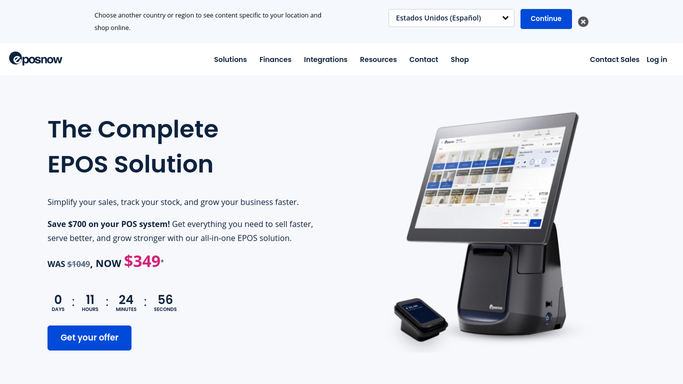
Automated Epos Now End-of-Day Reconciliation
Every evening, WebRun reads your Epos Now end-of-day totals, checks expected cash against actual, flags any discrepancy, and logs the result to Google Sheets.
Epos NowGoogle Sheets
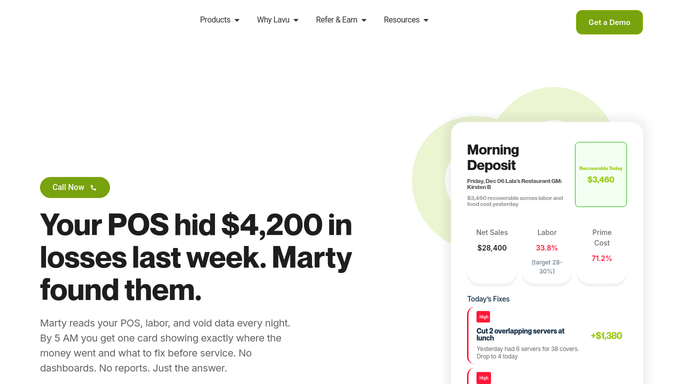
Automated Lavu POS End-of-Day Reconciliation
Every night, WebRun reads your Lavu end-of-day close report, checks the cash drawer and card totals against expected, and posts a reconciliation summary to Slack so discrepancies are caught before the morning.
LavuGoogle SheetsSlack
NCR Aloha Automated End-of-Day Reconciliation
Every night, WebRun pulls NCR Aloha end-of-day figures, compares cash drawer to expected totals, and logs any variances to Google Sheets so your manager can close out with confidence.
NCR AlohaGoogle Sheets
TouchBistro Automated End-of-Day Reconciliation
Every night, WebRun pulls TouchBistro's closing totals, matches them against your payment processor, and logs any gaps to Google Sheets.
TouchBistroGoogle SheetsQuickBooks
Addepar Fee Approval Routing Automation
Each month, WebRun reads advisory fee calculations from Addepar, drafts an approval request for each entity or billing group, and routes them to the right approver via Gmail for sign-off before any fee is charged.
AddeparGmailGoogle Sheets
BizEquity Automated Valuation Approval Routing
When a BizEquity valuation is ready for internal review, WebRun identifies the correct approver based on client type and deal size, drafts the review request, and notifies the reviewer in Slack so nothing waits in the wrong inbox.
BizEquitySlackGmail
Avalara Sales Tax Return Approval Routing
WebRun reads prepared return drafts in Avalara, compiles a review packet per state, and routes each to the right approver via Slack with a checklist, so nothing is filed without sign-off.
AvalaraGoogle SheetsSlack
Neo.Tax Automated R&D Credit Approval Routing
When Neo.Tax completes a credit calculation, WebRun reviews the credit amount, routes a draft approval notice to the correct partner or manager tier, and queues the client notification for review before anything is sent.
Neo.TaxGmailSlack
Automated LTC Pharmacy Care Gap Outreach Drafts
Every week, WebRun reviews FrameworkLTC medication regimen records for care gaps tied to quality measures (adherence, high-risk medications, antipsychotic use), drafts facility outreach communications for your clinical pharmacist to review, and logs the cases to a tracking sheet.
FrameworkLTCGoogle SheetsGmail
Automated Anesthesia Care Gap Outreach Drafts
Every Monday, WebRun identifies anesthesia patients with open QCDR care gaps in Graphium Health and drafts targeted outreach messages for your care coordinator to review and send, so quality measure performance improves without automated patient contact.
Graphium HealthGmailGoogle Sheets
Automated RamSoft Imaging Care Gap Outreach Drafts
Every week, WebRun identifies patients in RamSoft whose imaging history shows a care gap against clinical guidelines, drafts outreach messages to referring providers for clinical coordinator review, and logs the gap list so your radiology group closes quality measures.
RamSoftGoogle SheetsGmail
Automated Occupational Health Care Gap Outreach Drafts
Every week, WebRun identifies employees in Enterprise Health who have open health surveillance care gaps, then drafts outreach messages for clinic staff to review and send to close those gaps.
Enterprise HealthMailchimpGoogle Sheets
TDO Software Automated Care Gap Outreach Drafts
Every Monday, WebRun finds patients in TDO Software who had a root canal started but never returned to complete treatment, and prepares draft outreach messages for your coordinator to review.
TDO SoftwareGoogle SheetsTwilio
MAM Autopart Automated Credit Hold Worklist
Every morning, WebRun pulls every trade account currently on credit hold from MAM Software Autopart, groups them by balance and hold age, and posts a worklist to your credit controller so holds are reviewed and released or escalated before the account turns up at the trade counter.
MAM Software AutopartGoogle SheetsSlack
Automated Cargo Claim Tracking and Resolution Digest
Every Monday, WebRun opens J. J. Keller Encompass and your claims inbox, compiles all open cargo claims with their age and status, and posts your operations team a weekly resolution worklist so no claim ages past the statutory deadline.
J. J. Keller EncompassGoogle SheetsSlack
Automated Broker Credit Check Routing for Factoring
Before a carrier books a load, WebRun checks the broker's credit score in OTR Solutions, matches the risk level to the right approval tier, and posts a routing recommendation to Slack so the carrier or dispatcher can make an informed decision.
OTR SolutionsSlackGoogle Sheets
Labelmaster Automated Hazmat Cargo Claim Tracking
WebRun monitors your open cargo claims on hazmat shipments, logs status updates to Google Sheets, and drafts carrier follow-up emails for review so no claim goes unactioned past its filing deadline.
LabelmasterGoogle SheetsGmail
Automated Ocean Freight Cargo Claim Tracking
WebRun monitors your cargo claim register each week, updates the status of each claim against the carrier's portal and shipment data in Terminal49, and posts a claim status digest to Slack so nothing falls through the cracks.
Terminal49Google SheetsSlack
Automated Vanta Certification Renewal Tracking
Every week, WebRun checks Vanta for approaching SOC 2, ISO 27001, and HIPAA certification renewals and posts a deadline tracker to Slack so no renewal sneaks up on your team.
VantaGoogle SheetsSlack
iClassPro Automated Coach Certification Expiry Tracking
Every week, WebRun checks staff certification dates in iClassPro and Google Sheets, flags any coach whose CPR, USA Gymnastics, or SafeSport certification is expiring within 60 days, and posts an alert to Slack so renewals never slip past the deadline.
iClassProGoogle SheetsSlack
365 Retail Markets Automated Daily Sales Digest
Every morning, WebRun pulls the previous day's sales from 365 Retail Markets ADM, summarises revenue and transaction counts by location, and posts a clean digest to Slack so operators start the day informed.
365 Retail MarketsGoogle SheetsSlack
SwiftComply Automated Annual Test-Due Reminders
Every day, WebRun checks SwiftComply for devices whose annual test is coming due, drafts a reminder notice for each customer, and queues it for your review before anything is sent.
SwiftComplyGmailGoogle Sheets
Automated Records Center Certification Expiry Tracking
WebRun monitors your NAID, AAA, and other facility and staff certifications, alerts your compliance team before anything expires, and logs the status in a shared tracker.
O'Neil StratusGoogle SheetsSlack
Automated Buildertrend Subcontractor Compliance Tracker
Every week, WebRun scans your subcontractor records in Buildertrend for licenses and insurance certificates expiring within 60 days and posts a renewal alert list to Slack so you never let a trade work uninsured.
BuildertrendGoogle SheetsSlack

Want one of these running on your own Google Sheets?

Show WebRun the process once and it will run it on schedule, in your own private browser environment.