How to Automate Shelterluv
Shelterluv automates the shelter floor. The Automatic To-Do List updates each animal record as tasks are completed, medical templates cover vaccines and treatments, digital applications create applicant records, adoptable animals export to Petfinder and Adopt-a-Pet, and microchips upload on their own. Donor platforms and reporting portals sit outside it.
 Written by
Aiko Tanabe
Product researcher
Written by
Aiko Tanabe
Product researcher
 Reviewed by
Marcus Deleon
Support operations
Reviewed by
Marcus Deleon
Support operations
Shelterluv follows an animal from the night it arrives
Shelterluv is software for animal shelters and rescues, used both by brick-and-mortar shelters with kennels and by foster-based rescues with no building at all.
It tracks the rehoming process end to end: the intake, the medical work, the foster placement, the application, the adoption, and the community programs around all of it. The design is deliberately human-centric, so an intake or an outcome starts from a person or partner record rather than floating free. Every animal that arrives becomes a record with a photograph, a medical history that is usually unknown, a temperament note and a legal hold period.
The organisations running it are mostly not software companies. They are a few paid staff, a lot of volunteers, and a foster network of people who signed up because they like kittens. The database is the only thing keeping track of which of four hundred animals is where, who has custody of it tonight, and what it is due.
Kitten season turns into data entry nobody signed up for
Shelter work at volume becomes administration very quickly.
A stray arrives and the hold period starts, and somebody has to check whether anyone has reported it lost. A litter of six needs six records and six vaccination schedules on different dates. A foster has had a dog for eleven weeks and nobody has asked whether they need more food. An adopter took a puppy home in April and the second vaccination was due in May.
Away from the animals it is the same shape. The monthly figures the board wants. The intake and outcome counts a municipal contract requires, in the format it requires. The donors who gave last year and have not given this year. The thank-you letters that go out late or not at all, which is one reliable way a donor becomes a former donor.
All of it matters, and every hour of it is an hour nobody spends with an animal.
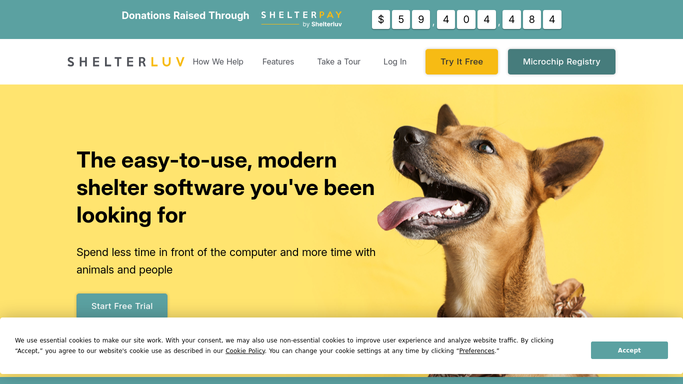
The to-do list and the medical templates carry the floor
Shelterluv automates a great deal of the daily operation, and an organisation that has not turned it all on should do that before anything else.
The Automatic To-Do List surfaces tasks in real time and updates the animal record as each one is completed, which replaces the clipboard. The medical features were designed by a shelter veterinarian for animal welfare conditions, with custom forms and quick-fill templates for vaccines, treatments and physical exams. Configurable intake and outcome forms keep the paperwork consistent. Digital applications create an applicant record with contact details already populated. Foster management makes capacity, availability and preferences searchable from the home screen. Adoptable animals export automatically to Petfinder, Adopt-a-Pet, Chewy and your own website, and microchip registrations upload on their own. Reporting covers a set of pre-built quick reports alongside custom ones.
Everything in that list runs on what Shelterluv already holds: an animal, a person, a task, a record.
The rest of a shelter's world sits in other people's systems. The donation platform. The grant portal with a report due next month. The county site the numbers have to be filed on. The veterinary practice the surgeries go to.
Eleven foster homes can be checked without eleven phone calls
Follow-up in a shelter fails for one reason, which is that it depends on a person remembering.
Animals with a vaccination, a booster or a spay date falling due this week, gathered into one list alongside where each animal actually is, which for a foster-based rescue means eleven different houses. Fosters who have had an animal longer than expected, flagged with what they were last sent, so the supply run happens before the apologetic message does. Adopters three weeks past a take-home date, prepared for a check-in that catches a wobbling adoption before it becomes a return.
The office side too. Monthly intake and outcome counts assembled in the shape the municipal contract asks for, rather than rebuilt by hand each month. Donors who gave last year and not this one, listed with what they gave and what it funded. Gifts landing in the donation platform matched back to the person record, so the thank-you goes out this week with the right name on it.
That list divides in two. Reading and assembling can run unattended overnight. Anything that changes an animal's record, or lands in front of an adopter, a foster or a donor, waits for somebody who knows the case.
Nobody joined rescue for the paperwork
A shelter has a finite number of people-hours, and every one spent at a keyboard is one not spent on an animal or an adopter. That is the whole trade being made.
WebRun is an AI agent that works a real Chrome browser, signed in as you. It opens Shelterluv, the donation platform, the grant portal or the county's site, reads each one, and hands back what is due, what is missing and what does not match.
It runs on your schedule in your own private environment, and you can watch a run and stop it. Anything reaching an adopter, a foster or a donor is drafted and waits for a person.
The workflows below are already built, and each one names what it opens.
Questions people ask
Who sends the adopter, foster and donor emails, us or the agent?
No. Every message is drafted and waits for someone who knows the case. A check-in about an animal, or a thank-you with the wrong amount on it, lands on a person who is emotionally invested, so a human sends it.
Can it alter an animal's medical record?
Only where you allow it to write, and reading is separate from writing. Most organisations start with it reading Shelterluv and reporting what is due, because a medical record is a legal document and a wrong entry follows an animal for life.
Our donation platform and Shelterluv have no connection between them. Does that matter?
No, and that gap is usually the reason to bother. It signs into each one and reads the screens you read, so gifts can be matched to person records without an integration existing, and it names anything it cannot match instead of guessing.
10 ready-made Shelterluv workflows
Each one names the apps it touches and the exact steps it takes. Open one to read what it will do, then turn it on.


Want one of these running on your own Shelterluv?
Show WebRun the process once and it will run it on schedule, in your own private browser environment.