File duplex ultrasound results into the right patient chart
Throughout the day, WebRun checks for new duplex ultrasound reports, matches each to the correct patient in OmniMD, files a copy into the vascular imaging folder in Google Drive, and posts the surgeon a Slack note whenever a study shows reflux, DVT, or another abnormal finding.
- No credit card
- Under $0.01 per run
- Cancel anytime
How do I automatically file duplex ultrasound results to the right chart?
WebRun checks for new duplex ultrasound reports through the day, matches each to its patient in OmniMD, attaches it to the vascular imaging chart, and files a copy in Google Drive. When an impression shows reflux, DVT, or another abnormal finding, it posts your surgeon a Slack flag, so time sensitive studies get a fast review.
- Duplex results reach the right chart within minutes of the study, not the next day
- Abnormal findings get a surgeon look fast because they are flagged on filing
- No study is filed to the wrong patient because it matches on three identifiers
Built for vascular surgeons · vein clinics · vascular ultrasound techs · IAC accredited vascular labs
What does WebRun do on every run?
The exact actions WebRun takes, in order - in plain language, so you can adjust anything.
-
WebRun signs in and gets to work
Opens
omnimd.comin a real browser with your saved login - no setup, no API keys. -
1
OmniMD - match each study to its patient chart
omnimd.com How to Automate OmniMD

WebRun opens OmniMD to match each study to its patient chart. - Open OmniMD and check for new duplex ultrasound reports awaiting filing
- Match each report to the correct patient by name, date of birth, and study date
- Attach the report to the patient chart under vascular imaging and mark it for provider review
- Read the impression line for terms such as reflux, incompetence, DVT, occlusion, or stenosis
Done when Every new duplex study is matched to its patient and attached to the correct chart.
-
2
Google Drive - file the report to the imaging folder
drive.google.com How to Automate Google Drive
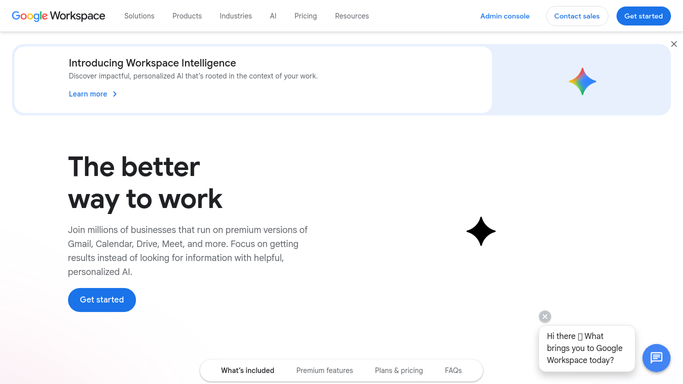
WebRun opens Google Drive to file the report to the imaging folder. - Open the Vascular Imaging folder in Google Drive
- Save a copy of each report into the patient subfolder, named by patient initials and study date
- Skip any report already filed so nothing is duplicated
Done when Each duplex report has one filed copy in the correct patient subfolder.
-
3
Slack - flag abnormal findings for the surgeon
slack.com How to Automate Slack

WebRun opens Slack to flag abnormal findings for the surgeon. - Post a note to the vascular team channel listing studies filed since the last run
- Flag any study whose impression suggests reflux, DVT, or another abnormal finding for priority review
- Leave all clinical interpretation and patient communication to the surgeon
Done when The surgeon has a Slack list of filed studies with abnormal findings called out.
How is each run configured?
Secure by default
Connect once, stays signed in
WebRun signs in once and keeps each session in a persistent environment, so every run picks up right where it left off.
Every action is checked against this policy before it runs.
Questions, answered
Will it interpret the ultrasound or tell the patient the result?
No. WebRun only files the report and flags an abnormal impression for your surgeon. All interpretation and patient communication stay with the clinician, and results never leave your practice.
How does it avoid filing a study to the wrong patient?
It matches on patient name, date of birth, and study date before attaching anything, and it holds back any report it cannot confidently match for a human to file manually.
What counts as an abnormal finding worth flagging?
It flags impressions mentioning reflux, venous incompetence, DVT, occlusion, or stenosis so time sensitive results get a fast look, while still filing every normal study to the chart.
Related templates
Put this on autopilot.
Turn it on in minutes - or have our team set it up for you.